

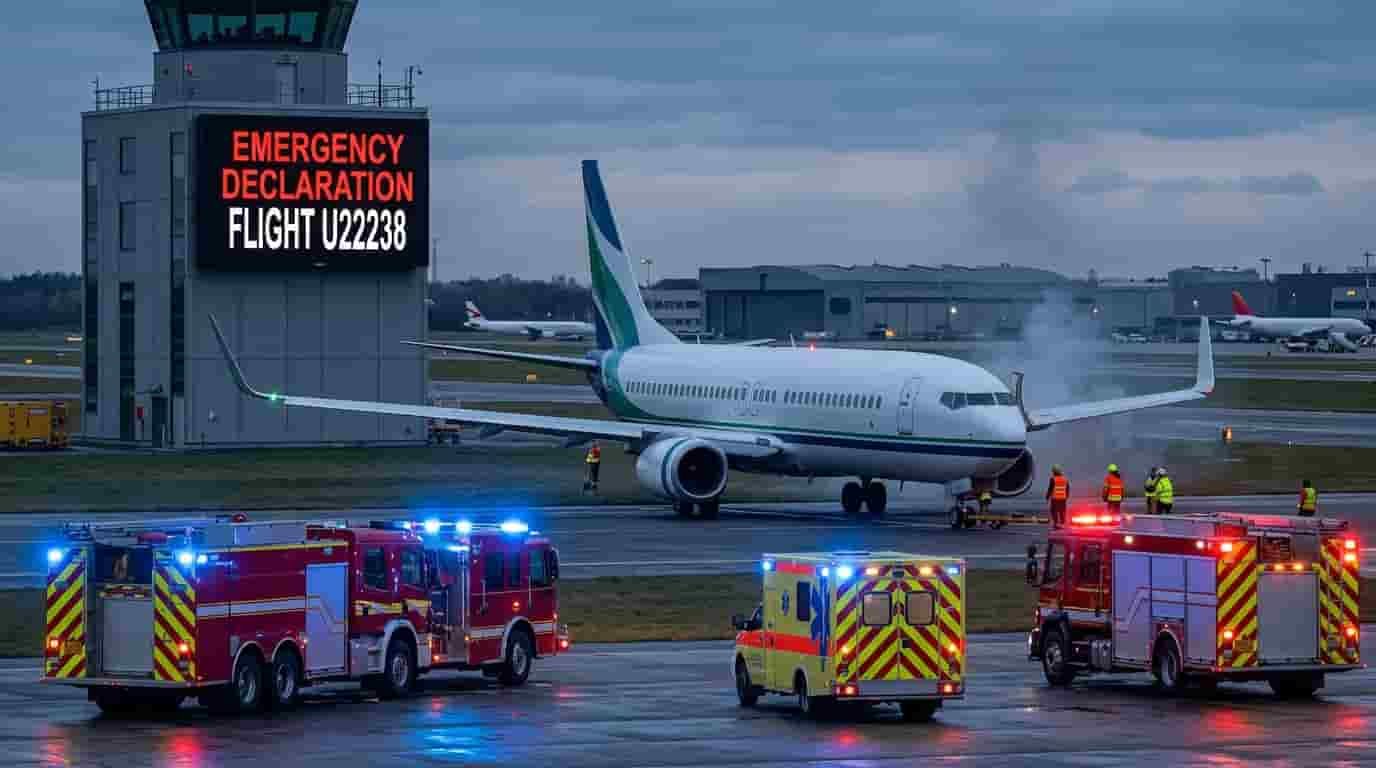
Air travel is one of the safest ways to travel, but sometimes unexpected situations occur in the sky. Recently, many people have searched for the term flight u22238 emergency declaration to understand what it means and why airlines make emergency declarations during flights.
An emergency declaration does not always mean a crash or life-threatening danger. In many cases, pilots declare emergencies as a precaution to protect passengers and crew. Modern aircraft are designed with advanced safety systems, and airline crews are trained to respond quickly and professionally.
In this article, you will learn everything about the flight u22238 emergency declaration, including what causes emergency declarations, how pilots respond, passenger safety procedures, common mistakes people make when hearing aviation news, and useful facts every traveler should know.
What Does an Emergency Declaration Mean in Aviation?
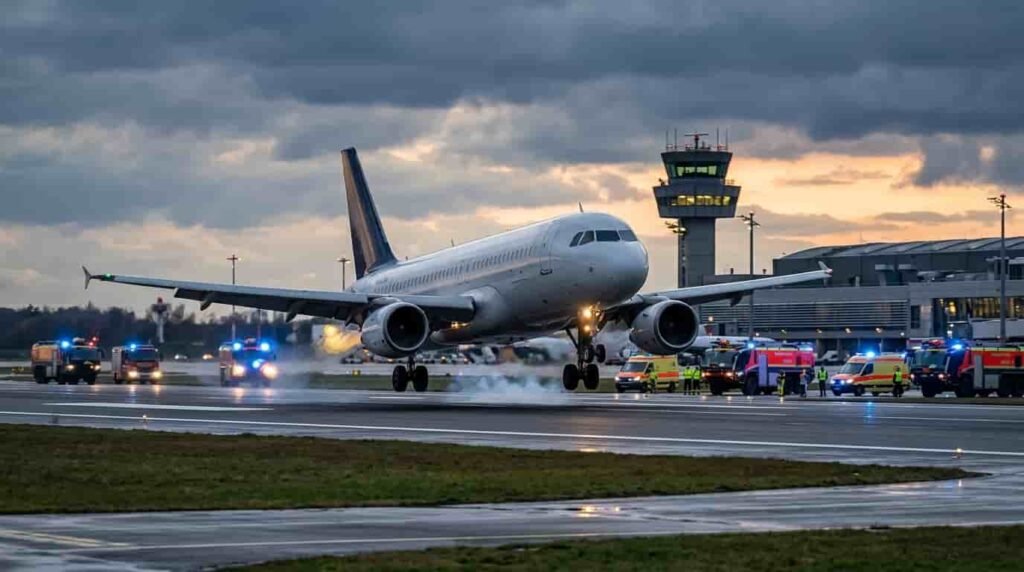
An emergency declaration happens when pilots inform air traffic control that the aircraft requires priority handling due to a serious or potentially risky situation.
Pilots may use internationally recognized emergency signals such as:
- Mayday — Used for life-threatening emergencies
- Pan-Pan — Used for urgent but less critical situations
When the flight u22238 emergency declaration occurred, aviation authorities and airport emergency teams would have immediately prepared for a safe landing procedure.
Why Pilots Declare Emergencies
Pilots are trained to act early rather than wait for a problem to become worse. Declaring an emergency helps them receive:
- Priority landing clearance
- Emergency response support
- Faster communication with air traffic control
- Safer flight management
This proactive approach improves passenger safety significantly.
Common Reasons Behind Flight Emergency Declarations
There are several reasons why a commercial aircraft may declare an emergency.
1. Technical Problems
Mechanical or technical issues are among the most common causes. These may include:
- Engine performance issues
- Hydraulic system failures
- Electrical malfunctions
- Navigation equipment problems
Even small technical warnings can lead pilots to declare emergencies out of caution.
2. Medical Emergencies
Sometimes a passenger or crew member experiences a serious medical condition during the flight.
Examples include:
- Heart attacks
- Breathing difficulties
- Severe allergic reactions
- Loss of consciousness
In such cases, pilots may divert the aircraft to the nearest airport.
3. Weather Conditions
Bad weather can create dangerous flying conditions. Pilots may declare emergencies due to:
- Heavy turbulence
- Severe storms
- Low visibility
- Lightning strikes
Weather-related emergencies are handled carefully using modern radar and flight planning systems.
4. Fuel Concerns
Fuel-related emergencies can happen because of:
- Unexpected delays
- Strong headwinds
- Route changes
- Technical fuel system problems
Airlines always carry reserve fuel, but pilots still monitor fuel levels closely.
5. Smoke or Fire Warnings
Smoke warnings are treated very seriously in aviation. Even a small electrical smell can trigger emergency procedures.
Safety always comes first.
Flight U22238 Emergency Declaration: Step-by-Step Response Process
When a flight declares an emergency, a structured process begins immediately.
Step 1: Pilots Assess the Situation
The flight crew first identifies the issue using cockpit instruments, checklists, and onboard systems.
They determine:
- Severity of the problem
- Risk level
- Best possible solution
Step 2: Communication With Air Traffic Control
Pilots then contact air traffic control and explain the situation.
This allows controllers to:
- Clear nearby traffic
- Prepare emergency services
- Arrange priority landing
This stage is critical during a flight u22238 emergency declaration scenario.
Step 3: Cabin Crew Preparation
Cabin crew members prepare passengers by:
- Giving safety instructions
- Checking seat belts
- Securing loose objects
- Preparing emergency equipment
Flight attendants are trained extensively for these moments.
Step 4: Emergency Landing Procedures
The aircraft may divert to the nearest suitable airport.
Emergency vehicles such as:
- Fire trucks
- Medical teams
- Rescue units
wait near the runway as a precaution.
Step 5: Safe Passenger Evacuation if Needed
In some situations, passengers may leave the aircraft quickly using emergency slides.
However, many emergency declarations end with completely normal landings.
How Safe Are Emergency Flight Landings?
Many people become nervous when hearing about an aviation emergency. However, emergency declarations are often precautionary measures rather than signs of disaster.
Commercial aviation remains extremely safe because of:
- Advanced aircraft technology
- Highly trained pilots
- Strict maintenance standards
- Continuous monitoring systems
In fact, most emergency declarations result in safe outcomes without injuries.
Real-Life Example of an Aviation Emergency
Imagine a flight traveling across Europe when the cockpit instruments show abnormal hydraulic pressure.
The pilots:
- Follow emergency checklists
- Contact air traffic control
- Request priority landing
- Brief cabin crew
- Land safely at the nearest airport
Passengers may feel worried during the process, but the professional response greatly reduces risks.
Situations similar to the flight u22238 emergency declaration are handled using internationally standardized aviation procedures.
Important Safety Facts Passengers Should Know
Understanding airline safety procedures can help travelers stay calm during unusual situations.
Aircraft Are Built With Backup Systems
Modern airplanes contain multiple backup systems for:
- Navigation
- Engines
- Communication
- Hydraulics
This redundancy improves reliability.
Pilots Train Regularly
Pilots practice emergency scenarios in flight simulators several times each year.
Training includes:
- Engine failures
- Weather emergencies
- Emergency descents
- Cabin depressurization
Cabin Crew Receive Emergency Training
Flight attendants are not only service professionals. They are trained safety responders who know how to:
- Handle evacuations
- Manage passenger panic
- Provide first aid
- Use emergency equipment
Benefits of Early Emergency Declarations
Some travelers think emergency declarations indicate failure. In reality, declaring an emergency early has major advantages.
Faster Emergency Support
Airports can prepare medical and rescue teams immediately.
Better Communication
Pilots receive direct support from air traffic controllers.
Improved Passenger Safety
Quick action reduces the chance of complications.
Reduced Decision Pressure
Pilots can focus fully on managing the aircraft safely.
The flight u22238 emergency declaration demonstrates how aviation safety systems are designed to prioritize prevention and preparedness.
Common Mistakes People Make When Hearing About Flight Emergencies
Assuming Every Emergency Means a Crash
This is the biggest misconception. Most emergency declarations end safely.
Believing Pilots Panic
Pilots follow structured procedures and remain calm under pressure.
Ignoring Crew Instructions
Passengers should always listen carefully to cabin crew directions.
Spreading False Information Online
Social media rumors often exaggerate aviation incidents. Always rely on verified aviation sources.
Tips for Passengers During an Emergency Situation
If you are ever on board a flight experiencing an emergency declaration, these tips can help.
Stay Calm
Panic can make situations harder for everyone.
Listen Carefully
Follow instructions from the flight attendants immediately.
Keep Seat Belt Fastened
Seat belts protect passengers during turbulence or sudden movements.
Leave Belongings Behind During Evacuation
Personal items should never delay evacuation.
Read Safety Cards Before Takeoff
Many passengers ignore them, but they contain important information.
How Airlines Prevent Emergencies
Airlines invest heavily in prevention and risk reduction.
Routine Aircraft Inspections
Aircraft undergo regular maintenance checks before and after flights.
Advanced Monitoring Systems
Modern airplanes can detect technical issues early.
Strict Pilot Certification Standards
Pilots complete thousands of training hours before operating commercial flights.
International Aviation Regulations
Global aviation organizations enforce strict operational safety rules.
Why the Flight U22238 Emergency Declaration Drew Attention
Aviation incidents naturally attract public attention because air travel safety matters to millions of people.
Searches for flight u22238 emergency declaration increased because travelers wanted answers about:
- Passenger safety
- Aircraft procedures
- Pilot decisions
- Emergency response systems
Fortunately, modern aviation systems are specifically designed to manage unusual situations safely and efficiently.
Final Conclusion
The flight u22238 emergency declaration highlights how seriously the aviation industry takes passenger safety. While hearing the word “emergency” may sound alarming, these declarations are often precautionary steps designed to protect everyone onboard.
Modern aircraft technology, highly trained pilots, experienced cabin crews, and strict aviation regulations all work together to ensure safe outcomes during unexpected situations.
Understanding how emergency declarations work can help travelers feel more informed and less anxious about air travel. In most cases, these procedures demonstrate that aviation safety systems are functioning exactly as intended.
By staying calm, following crew instructions, and understanding the purpose of emergency protocols, passengers can travel with greater confidence and peace of mind.
