

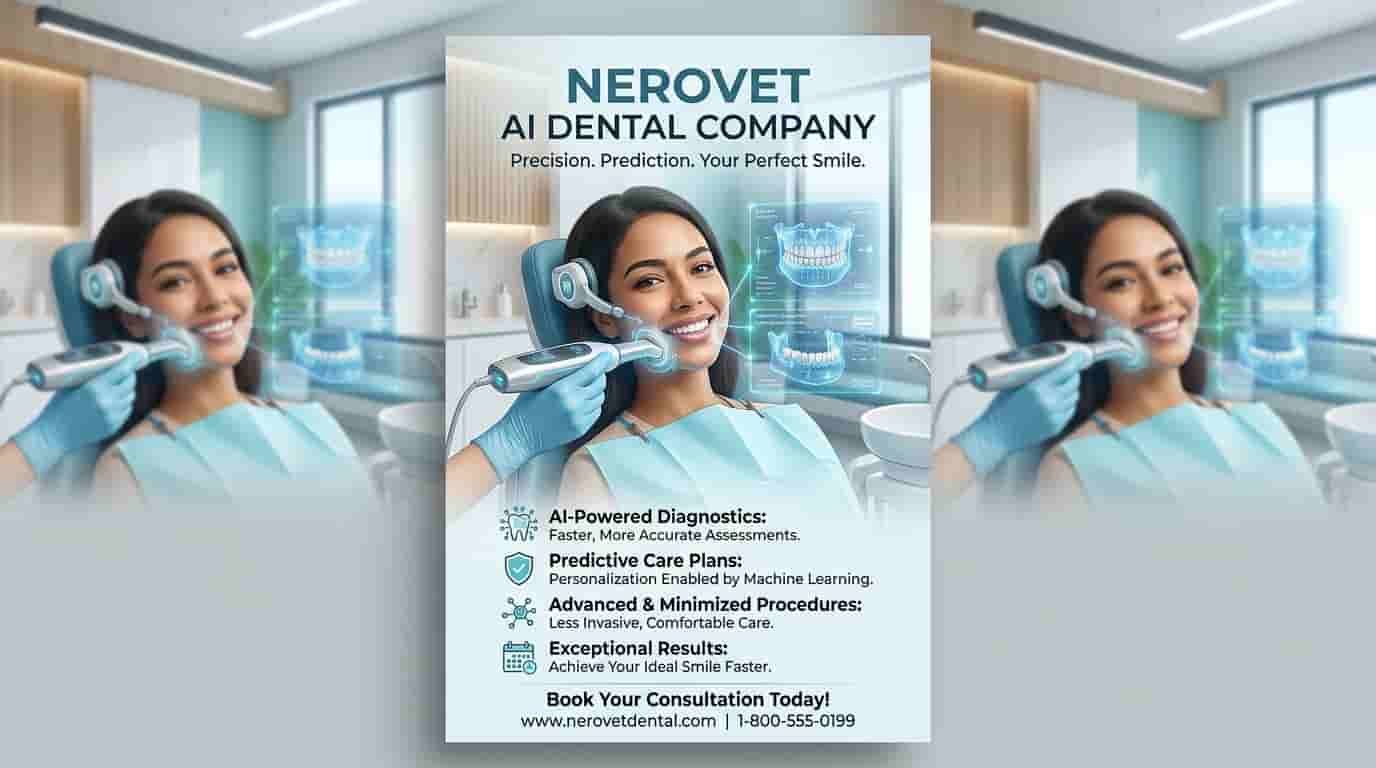
Artificial intelligence is changing the way healthcare works, and dentistry is no exception. Dental clinics today are looking for smarter ways to improve patient care, reduce errors, and streamline daily operations. This is where nerovet ai dental company has started attracting attention among dental professionals and technology enthusiasts.
Whether you are a dentist, clinic owner, student, or simply curious about AI in healthcare, understanding how AI-powered dental solutions work can help you stay ahead of industry trends. From assisting with diagnosis to improving patient communication, AI tools are becoming increasingly valuable.
In this guide, we’ll explore what makes AI-driven dental technology important, how it works, its benefits, practical examples, common mistakes to avoid, and what the future may hold.
What Is Nerovet AI Dental Company?
The nerovet ai dental company is associated with the growing movement of integrating artificial intelligence into dental care processes. AI-powered systems can analyze dental images, identify potential issues, assist with treatment planning, and help clinics improve efficiency.
The goal of AI in dentistry is not to replace dentists. Instead, it serves as a support tool that helps professionals make more informed decisions and deliver better patient experiences.
Key Areas Where AI Helps in Dentistry
- Dental image analysis
- Cavity detection
- Orthodontic planning
- Patient record management
- Treatment recommendations
- Appointment scheduling
- Predictive dental care
As AI technology continues to improve, dental professionals gain access to more accurate insights and faster workflows.
How Nerovet AI Dental Company Supports Modern Dental Practices
Modern dental clinics handle a large amount of patient data every day. Reviewing X-rays, maintaining records, and creating treatment plans can take significant time.
The nerovet ai dental company approach focuses on using AI-powered tools to simplify these tasks.
1. Faster Diagnostic Support
AI systems can analyze dental scans within seconds.
Benefits include:
- Faster identification of dental issues
- Better consistency in evaluations
- Reduced chances of overlooking small problems
For example, an AI system may highlight areas of concern on an X-ray, helping a dentist perform a more detailed review.
2. Improved Treatment Planning
Treatment planning often requires careful analysis of patient history and imaging.
AI can help by:
- Comparing similar cases
- Suggesting potential treatment options
- Organizing patient information
This allows dentists to spend more time discussing care with patients.
3. Better Patient Communication
Many patients struggle to understand dental conditions.
AI-powered visual tools can:
- Show affected areas clearly
- Explain treatment recommendations
- Improve patient confidence
When patients understand their condition, they are more likely to follow treatment plans.
Benefits of Using Nerovet AI Dental Company Solutions
The growing interest in nerovet ai dental company technology comes from its potential advantages for both dental professionals and patients.
Enhanced Accuracy
AI systems can process large amounts of data quickly and consistently.
While dentists still make the final decisions, AI can provide valuable support by identifying patterns that may be difficult to spot manually.
Time Savings
Administrative tasks often consume valuable clinic time.
AI can automate:
- Scheduling
- Record organization
- Follow-up reminders
- Data management
As a result, staff can focus more on patient care.
Better Patient Experience
Patients appreciate:
- Shorter waiting times
- Clear explanations
- Faster treatment planning
These improvements can lead to higher satisfaction and trust.
Increased Operational Efficiency
Dental clinics that use AI effectively may experience:
- Smoother workflows
- Better resource management
- Improved productivity
This creates benefits for both patients and staff members.
Step-by-Step Guide: How AI Works in a Dental Clinic
Understanding the process helps explain why AI is becoming so valuable.
Step 1: Patient Data Collection
The clinic gathers information such as:
- Medical history
- Dental records
- X-rays
- Intraoral scans
This information becomes the foundation for AI analysis.
Step 2: AI Data Processing
The AI system reviews the collected data and looks for patterns.
It may identify:
- Tooth decay
- Bone loss
- Alignment issues
- Areas requiring further attention
Step 3: Clinical Review
Dentists examine the AI findings.
The technology acts as an assistant rather than making final decisions.
Step 4: Treatment Planning
The dentist combines:
- Professional expertise
- Patient preferences
- AI-generated insights
A customized treatment plan is then created.
Step 5: Patient Education
Visual reports help patients understand:
- Current dental conditions
- Recommended treatments
- Expected outcomes
This improves communication and transparency.
Real-Life Examples of AI in Dentistry
Although every clinic operates differently, AI applications continue to grow across the dental industry.
Example 1: Early Cavity Detection
A patient visits for a routine checkup.
Traditional examination may identify obvious cavities. AI analysis can provide an additional review of dental images, helping highlight smaller areas that deserve closer inspection.
Example 2: Orthodontic Treatment Planning
An orthodontist uses AI-assisted software to evaluate tooth movement possibilities.
The system helps estimate treatment timelines and supports more precise planning.
Example 3: Clinic Workflow Automation
A busy dental office automates appointment reminders and patient communications.
This reduces missed appointments and improves scheduling efficiency.
Important Facts About AI in Dentistry
Here are several facts worth knowing:
AI Does Not Replace Dentists
Human expertise remains essential.
Dentists evaluate AI findings, consider patient-specific factors, and make final treatment decisions.
AI Learns from Data
AI systems improve through training on large datasets.
The more quality data available, the better the system becomes at recognizing patterns.
Adoption Is Increasing
Many healthcare organizations are investing in AI technologies to improve efficiency and patient outcomes.
Patient Trust Matters
Transparency is important.
Patients should understand how technology supports their care and how their data is protected.
Common Mistakes When Using AI Dental Technology
Even advanced technology requires proper implementation.
Mistake 1: Overreliance on AI
AI should support clinical judgment, not replace it.
Always combine technology with professional expertise.
Mistake 2: Poor Data Quality
Incorrect or incomplete patient records can affect AI performance.
Maintaining accurate records is essential.
Mistake 3: Insufficient Staff Training
Technology is only effective when users understand it.
Clinics should invest in proper training programs.
Mistake 4: Ignoring Patient Education
Patients may feel uncertain about AI-assisted care.
Take time to explain how the technology supports diagnosis and treatment planning.
Tips for Dental Clinics Considering AI Adoption
If you’re evaluating AI solutions, consider the following recommendations.
Start with Clear Goals
Ask yourself:
- Do you want faster diagnostics?
- Better scheduling?
- Improved patient communication?
Knowing your objectives helps you choose the right tools.
Evaluate Ease of Use
Complex systems can slow adoption.
Look for platforms with intuitive interfaces and strong support resources.
Focus on Data Security
Patient privacy should always be a top priority.
Ensure compliance with relevant healthcare regulations and security standards.
Train Your Team
Successful implementation depends on staff confidence and understanding.
Provide ongoing training and support.
Monitor Performance
Track metrics such as:
- Diagnostic efficiency
- Appointment completion rates
- Patient satisfaction
- Workflow improvements
Regular evaluation helps maximize results.
The Future of Nerovet AI Dental Company and AI Dentistry
The future of dental technology looks promising. As AI systems become more advanced, they may offer even greater support in diagnosis, treatment planning, and preventive care.
The nerovet ai dental company concept aligns with broader healthcare trends that emphasize data-driven decision-making and personalized patient experiences.
Future developments may include:
- More accurate predictive analytics
- Enhanced 3D imaging analysis
- Personalized treatment recommendations
- Improved remote dental consultations
- Smarter patient engagement tools
As innovation continues, dental professionals who embrace technology may gain a significant advantage in delivering high-quality care.
Frequently Asked Questions (FAQ)
1. What is nerovet ai dental company?
Nerovet ai dental company refers to AI-focused dental technology solutions designed to support diagnosis, treatment planning, workflow management, and patient care improvements.
2. Can AI replace dentists?
No. AI is designed to assist dentists by providing data analysis and insights. Final diagnoses and treatment decisions remain the responsibility of qualified dental professionals.
3. What are the biggest benefits of AI in dentistry?
The main benefits include improved efficiency, faster diagnostics, enhanced patient communication, better treatment planning, and streamlined clinic operations.
4. Is AI dental technology accurate?
AI can improve accuracy by analyzing large amounts of data consistently. However, professional clinical review is still essential.
5. How does AI help patients?
Patients benefit from clearer explanations, faster service, more personalized treatment plans, and potentially earlier detection of dental issues.
6. Is AI suitable for small dental clinics?
Yes. Many AI-powered tools are designed for clinics of various sizes and can help improve productivity without requiring major operational changes.
Conclusion
The rise of nerovet ai dental company technology reflects a larger transformation happening across healthcare. Artificial intelligence is helping dental professionals improve efficiency, support diagnostics, enhance patient communication, and streamline everyday operations.
While AI is not a replacement for skilled dentists, it serves as a powerful tool that can strengthen clinical decision-making and improve patient experiences. As dental technology continues to evolve, practices that understand and adopt AI solutions will be better positioned to meet future patient needs and remain competitive in an increasingly digital healthcare environment.
