

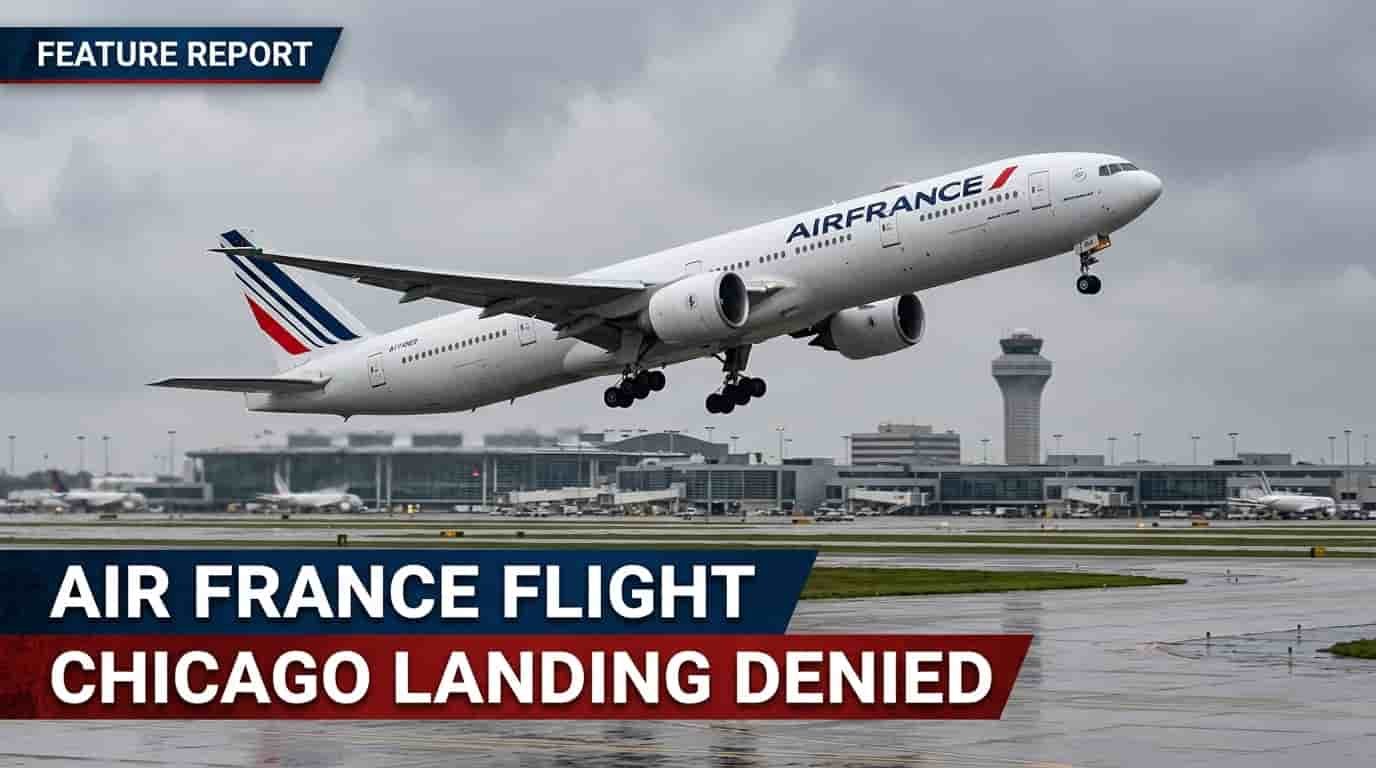
Air travel can sometimes become unpredictable, even for major international airlines. Recently, the topic “air france flight denied landing chicago” has attracted attention online, leaving many travelers confused and concerned. People want to know why a flight would be denied permission to land, what happens next, and how such situations affect passengers.
In this article, we’ll break everything down in simple terms. You’ll learn what it means when an aircraft cannot land, the possible reasons behind the incident, how aviation authorities handle these situations, and what travelers should do if they face something similar.
Whether you travel often or are planning your first international trip, understanding how these situations work can help you stay informed and prepared.
What Does “Air France Flight Denied Landing in Chicago” Mean?
The phrase “air france flight denied landing chicago” refers to a situation where an Air France aircraft was reportedly unable to receive permission to land at Chicago airport at the expected time.
This does not always mean there was an emergency or danger. In aviation, denied landing clearance can happen for many operational, technical, weather-related, or security reasons.
Air traffic controllers carefully manage airport traffic to keep passengers safe. If conditions are unsafe or airport operations are disrupted, flights may:
- Circle in the air temporarily
- Be delayed
- Divert to another airport
- Return to the departure location
These decisions are made to prioritize safety above everything else.
Common Reasons Why Flights Are Denied Landing Permission
1. Severe Weather Conditions
Bad weather is one of the most common causes of denied landing clearance.
For example, Chicago airports frequently experience:
- Heavy snow
- Thunderstorms
- Dense fog
- Strong crosswinds
If visibility becomes too poor, pilots may not safely land the aircraft.
Real-Life Example
Imagine a plane approaching the runway during a snowstorm. If pilots cannot clearly see runway markings or if the runway becomes icy, air traffic control may instruct the aircraft to wait or divert elsewhere.
Safety protocols are extremely strict in commercial aviation.
2. Airport Traffic Congestion
Large airports like Chicago’s O’Hare International Airport handle hundreds of flights daily. Sometimes the airport becomes overcrowded.
In such cases:
- Runways may already be occupied
- Arrival queues become too long
- Air traffic control limits incoming aircraft
This can temporarily prevent landing clearance.
The air france flight denied landing chicago situation may have involved traffic management decisions depending on airport conditions at the time.
3. Technical or Mechanical Concerns
Sometimes aircraft crews report technical issues before landing.
Even small concerns, such as:
- Hydraulic warnings
- Navigation system problems
- Tire pressure alerts
can force airlines and aviation authorities to take precautionary measures.
Pilots may decide to:
- Delay landing
- Request inspection
- Divert to another airport with better maintenance support
4. Security Procedures
Airports and airlines follow strict security rules. If authorities detect any unusual issue related to:
- Passenger screening
- Cargo checks
- Communication irregularities
They may delay or deny landing until the situation is verified.
Although these incidents are rare, security remains a top priority worldwide.
How Aviation Authorities Handle Landing Denials
Step 1: Air Traffic Control Assessment
First, air traffic controllers evaluate:
- Weather conditions
- Runway availability
- Aircraft spacing
- Safety risks
They communicate directly with pilots throughout the process.
Step 2: Pilot Coordination
Pilots then review:
- Fuel levels
- Alternate airport options
- Aircraft systems
- Passenger safety concerns
The final decision is usually collaborative between pilots and air traffic control.
Step 3: Diversion if Necessary
If landing remains unsafe, the plane may divert to another nearby airport.
For Chicago-bound flights, possible alternate airports include:
- Milwaukee
- Indianapolis
- Detroit
Passengers are later transported to their final destination.
What Passengers Experience During a Denied Landing
For travelers, the experience can feel stressful or confusing.
Here’s what commonly happens onboard:
Holding Pattern
The plane circles in the air while waiting for clearance.
Passengers may notice:
- Delays in descent
- Repeated flight loops
- Pilot announcements
This is completely normal during airport congestion or weather disruptions.
Diversion Announcement
If conditions do not improve, pilots inform passengers about diversion plans.
Airlines usually provide:
- Food vouchers
- Hotel accommodations
- Rebooking support
depending on the situation.
Delayed Arrival
Passengers may arrive several hours later than planned.
Although frustrating, these delays are often necessary to ensure safety.
READ MORE GUIDE: Allegiant Flight Takeoff Aborted Orlando Sanford
Step-by-Step: What To Do If Your Flight Is Denied Landing
If you ever face a situation similar to the air france flight denied landing chicago incident, follow these steps.
Step 1: Stay Calm
Flight diversions and denied landings are usually precautionary measures.
Remember:
Commercial aviation remains one of the safest forms of travel.
Step 2: Listen Carefully to Crew Instructions
Cabin crew members are trained to handle these situations professionally.
Pay attention to:
- Safety instructions
- Airport updates
- Rebooking information
Step 3: Check Airline Notifications
Most airlines send updates through:
- Mobile apps
- SMS alerts
- Email notifications
These messages often include:
- New boarding details
- Hotel arrangements
- Transportation support
Step 4: Know Your Passenger Rights
Depending on local aviation laws and airline policies, passengers may qualify for:
- Compensation
- Meal vouchers
- Hotel stays
- Refund options
International travel regulations vary by country.
Important Facts About Flight Landing Denials
Safety Comes First
A denied landing is almost always a safety decision rather than a sign of danger.
Pilots and controllers prefer delays over unnecessary risks.
Major Airports Face Frequent Delays
Busy airports like Chicago O’Hare regularly manage:
- Weather disruptions
- Air traffic overload
- Runway scheduling issues
This makes occasional landing delays relatively common.
Diversions Are Planned in Advance
Airlines always prepare alternate airport plans before departure.
Pilots know where they can safely divert if conditions change unexpectedly.
Benefits of Strict Aviation Safety Rules
Although passengers may feel annoyed during delays, these procedures provide major benefits.
Reduced Accident Risk
Strict landing rules dramatically lower the chance of runway accidents.
Better Passenger Protection
Aviation authorities continuously monitor:
- Weather
- Aircraft systems
- Airport conditions
to ensure maximum passenger safety.
Improved Emergency Response
When airports enforce strict safety standards, emergency teams can respond more efficiently if needed.
Common Mistakes Travelers Make During Flight Delays
Ignoring Airline Messages
Many passengers miss important updates because they do not check airline apps or emails.
Always keep notifications enabled while traveling.
Arguing With Airport Staff
Airport employees usually cannot control the weather or air traffic decisions.
Remaining calm helps resolve issues faster.
Not Having Travel Insurance
Travel insurance can help cover:
- Hotel expenses
- Missed connections
- Emergency transportation
especially during international travel disruptions.
How Airlines Communicate During Emergencies
The air france flight denied landing chicago topic also highlights how airlines manage communication during unexpected situations.
Airlines typically use:
- Pilot announcements
- Mobile notifications
- Customer support desks
- Social media updates
to keep travelers informed.
Good communication helps reduce passenger anxiety during delays.
Tips To Handle Future Flight Disruptions
Arrive Prepared
Carry:
- Phone chargers
- Snacks
- Essential medications
- Travel documents
in your carry-on bag.
Monitor Weather Forecasts
Before flying, check weather conditions at:
- Departure airport
- Destination airport
- Connecting airports
This helps you anticipate possible delays.
Book Flexible Tickets
Flexible booking options can reduce stress during travel disruptions.
Some airlines allow free rebooking during severe weather events.
Why Chicago Airports Often Experience Delays
Chicago is one of the busiest aviation hubs in the United States.
Its airports frequently deal with:
- Harsh winter weather
- Thunderstorms
- Heavy passenger traffic
- Runway congestion
Conclusion
The air france flight denied landing chicago incident highlights how complex and safety-focused modern aviation truly is. While denied landings can frustrate travelers, they are usually precautionary decisions made to protect everyone on board.
Weather conditions, airport congestion, technical checks, and security concerns all play important roles in flight operations. Fortunately, airlines and aviation authorities follow detailed procedures to manage these situations safely and efficiently.
For travelers, the best approach is to stay informed, remain calm, and prepare for possible delays during air travel. Understanding how denied landings work can reduce stress and help you respond more confidently if a similar situation ever affects your journey.
