

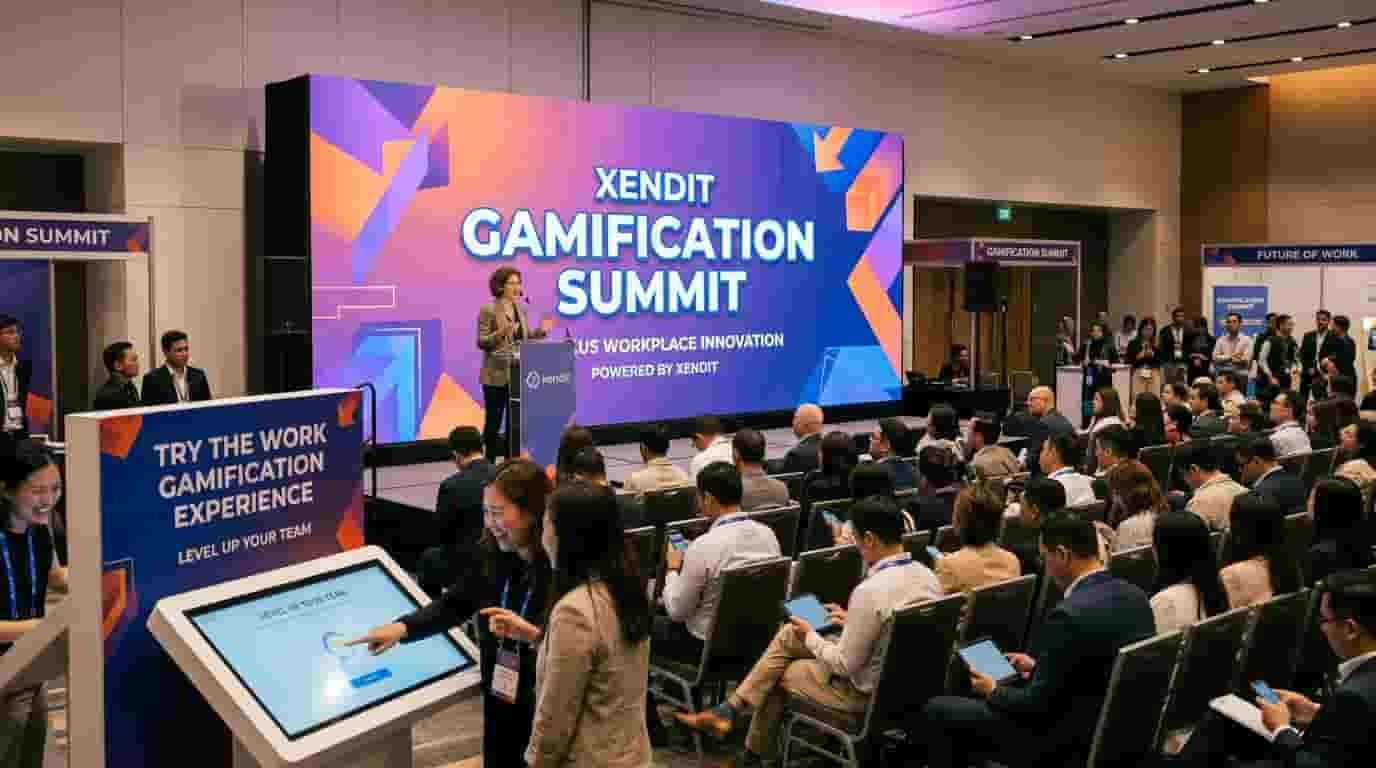
Employee engagement has become one of the biggest challenges for modern organizations. Companies are constantly searching for innovative ways to motivate teams, improve productivity, and create a positive workplace culture. One event that has gained attention in this area is xendit work gamificationsummit.
The concept behind xendit work gamificationsummit revolves around using gamification techniques to make work more engaging, rewarding, and enjoyable. By applying game-like elements to everyday tasks, organizations can encourage participation, boost morale, and improve overall performance.
In this guide, you’ll learn what xendit work gamificationsummit is, why it matters, how gamification works in the workplace, practical implementation steps, real-world examples, common mistakes to avoid, and tips for success.
What Is Xendit Work GamificationSummit?
xendit work gamificationsummit is a workplace-focused initiative that explores how gamification can improve employee engagement, collaboration, learning, and productivity.
Gamification refers to the use of game-inspired elements in non-game environments. These elements may include:
- Points and rewards
- Achievement badges
- Leaderboards
- Challenges
- Progress tracking
- Recognition systems
The goal is simple: make workplace activities more motivating and enjoyable while helping employees achieve organizational objectives.
Why Gamification Matters
Modern employees often seek more than just a paycheck. They want:
- Recognition
- Growth opportunities
- Meaningful work
- Collaboration
- Continuous feedback
Gamification helps address these needs by creating interactive experiences that encourage participation and achievement.
READ MORE GUIDE: Blowers App: Complete Beginner’s Guide to Features,
Benefits of Xendit Work GamificationSummit
Organizations exploring ideas from xendit work gamificationsummit can gain several advantages.
1. Increased Employee Engagement
Employees become more involved when tasks feel rewarding and interactive.
Benefits include:
- Higher participation rates
- Better focus
- Greater enthusiasm
Example
A customer support team earns points for resolving tickets efficiently. Employees become more motivated to improve response times while maintaining service quality.
2. Improved Learning and Development
Training programs often suffer from low completion rates.
Gamification can improve learning by introducing:
- Learning challenges
- Progress bars
- Achievement badges
- Interactive quizzes
As a result, employees stay engaged and retain information more effectively.
3. Better Team Collaboration
Healthy competition combined with teamwork can strengthen workplace relationships.
Gamified systems encourage employees to:
- Share knowledge
- Help colleagues
- Work toward common goals
This creates a more supportive and productive work environment.
4. Higher Productivity
Employees are more likely to complete tasks when clear goals and rewards exist.
Productivity improves because workers can:
- Track progress
- Celebrate milestones
- Stay motivated
Small achievements build momentum that leads to larger organizational success.
How Xendit Work GamificationSummit Encourages Workplace Success
The principles discussed during xendit work gamificationsummit focus on practical workplace transformation.
Clear Goals
Employees perform better when expectations are clearly defined.
Examples include:
- Completing projects on time
- Achieving sales targets
- Finishing training modules
Clear objectives help employees understand what success looks like.
Continuous Feedback
Regular feedback keeps employees informed about their performance.
Gamification systems often provide:
- Real-time updates
- Progress indicators
- Achievement notifications
This immediate feedback encourages improvement.
Recognition and Rewards
Recognition remains one of the strongest workplace motivators.
Rewards may include:
- Public recognition
- Certificates
- Bonuses
- Additional benefits
Employees who feel valued tend to remain more committed to their work.
Step-by-Step Guide to Implementing Gamification at Work
If your organization wants to apply lessons from xendit work gamificationsummit, follow these steps.
Step 1: Define Your Objectives
Start by identifying what you want to achieve.
Common goals include:
- Improving productivity
- Increasing engagement
- Enhancing training outcomes
- Boosting teamwork
Clear objectives help shape your gamification strategy.
Step 2: Identify Key Behaviors
Determine which employee actions should be encouraged.
Examples:
- Completing tasks
- Attending training
- Sharing knowledge
- Meeting deadlines
Reward behaviors that align with business goals.
Step 3: Choose Gamification Elements
Select suitable game mechanics.
Popular options include:
Points
Employees earn points for completing tasks.
Badges
Badges recognize achievements and milestones.
Leaderboards
Leaderboards encourage healthy competition.
Challenges
Challenges motivate employees to reach specific targets.
Step 4: Create a Reward System
Design meaningful incentives.
Rewards can be:
- Financial bonuses
- Gift cards
- Extra leave days
- Public recognition
The reward should match employee interests and company culture.
Step 5: Track Performance
Use data to measure success.
Monitor:
- Participation rates
- Productivity levels
- Training completion
- Employee satisfaction
Regular evaluation helps optimize the program.
Step 6: Gather Feedback
Ask employees about their experience.
Questions may include:
- What motivates you most?
- Which rewards are valuable?
- What improvements would you suggest?
Employee feedback helps create a more effective system.
Real-Life Examples of Workplace Gamification
Sales Team Competition
A sales department introduces monthly challenges.
Employees earn:
- Points for new customers
- Badges for milestones
- Rewards for top performance
Result:
Higher motivation and increased sales performance.
Employee Training Program
A company transforms training into a learning journey.
Features include:
- Levels
- Quizzes
- Certificates
- Achievement badges
Result:
Higher completion rates and better knowledge retention.
Customer Service Excellence Program
Support agents earn rewards for:
- Fast responses
- Positive customer feedback
- Issue resolution
Result:
Improved customer satisfaction and employee engagement.
Common Mistakes to Avoid
While gamification can be powerful, several mistakes can reduce its effectiveness.
Focusing Only on Competition
Excessive competition may discourage some employees.
Instead:
- Balance competition with collaboration.
- Reward team achievements.
Using Meaningless Rewards
Rewards must be relevant and valuable.
Employees are less motivated by incentives they don’t care about.
Making Systems Too Complicated
Complex rules can create confusion.
Keep the experience:
- Simple
- Clear
- Easy to understand
Ignoring Employee Feedback
A successful gamification program evolves over time.
Listen to employees and adjust strategies when needed.
Tips for Successful Workplace Gamification
Start Small
Begin with a simple program before expanding.
Small pilot projects help identify what works best.
Align with Company Goals
Gamification should support business objectives.
Avoid adding game mechanics that don’t contribute to meaningful outcomes.
Celebrate Achievements
Recognition is often more powerful than financial rewards.
Publicly acknowledge employee accomplishments whenever possible.
Encourage Teamwork
Create challenges that require collaboration.
This promotes stronger relationships and shared success.
Continuously Improve
Review results regularly and make improvements based on performance data and employee feedback.
Important Facts About Workplace Gamification
- Gamification is used across many industries.
- It can improve employee engagement and retention.
- Learning programs often see higher completion rates.
- Recognition is a major driver of motivation.
- Well-designed systems balance competition and collaboration.
- Successful programs focus on meaningful goals rather than just rewards.
These insights align closely with the ideas explored through xendit work gamificationsummit.
FAQ Section
1. What is xendit work gamificationsummit?
Xendit work gamificationsummit is a workplace-focused concept that explores how gamification strategies can improve employee engagement, productivity, learning, and collaboration.
2. How does workplace gamification work?
It applies game-like elements such as points, badges, leaderboards, challenges, and rewards to everyday work activities.
3. Can small businesses use gamification?
Yes. Small businesses can implement simple gamification systems to motivate employees and improve performance without large investments.
4. What are the biggest benefits of gamification?
Key benefits include increased engagement, improved productivity, better learning outcomes, stronger teamwork, and higher employee satisfaction.
5. What mistakes should companies avoid?
Common mistakes include overly complex systems, weak rewards, excessive competition, and failing to gather employee feedback.
6. Is gamification suitable for remote teams?
Absolutely. Digital tools make it easy to track progress, reward achievements, and maintain engagement among remote employees.
Conclusion
The workplace continues to evolve, and organizations need innovative ways to keep employees engaged and motivated. xendit work gamificationsummit highlights how gamification can transform everyday work experiences through recognition, rewards, challenges, and meaningful goals.
When implemented correctly, gamification can increase productivity, improve learning outcomes, strengthen teamwork, and create a more positive company culture. By following the practical steps outlined in this guide, organizations can build effective engagement programs that deliver lasting results.
Whether you’re a business leader, HR professional, or team manager, the ideas associated with xendit work gamificationsummit provide valuable insights into creating a more motivated and successful workforce.
