

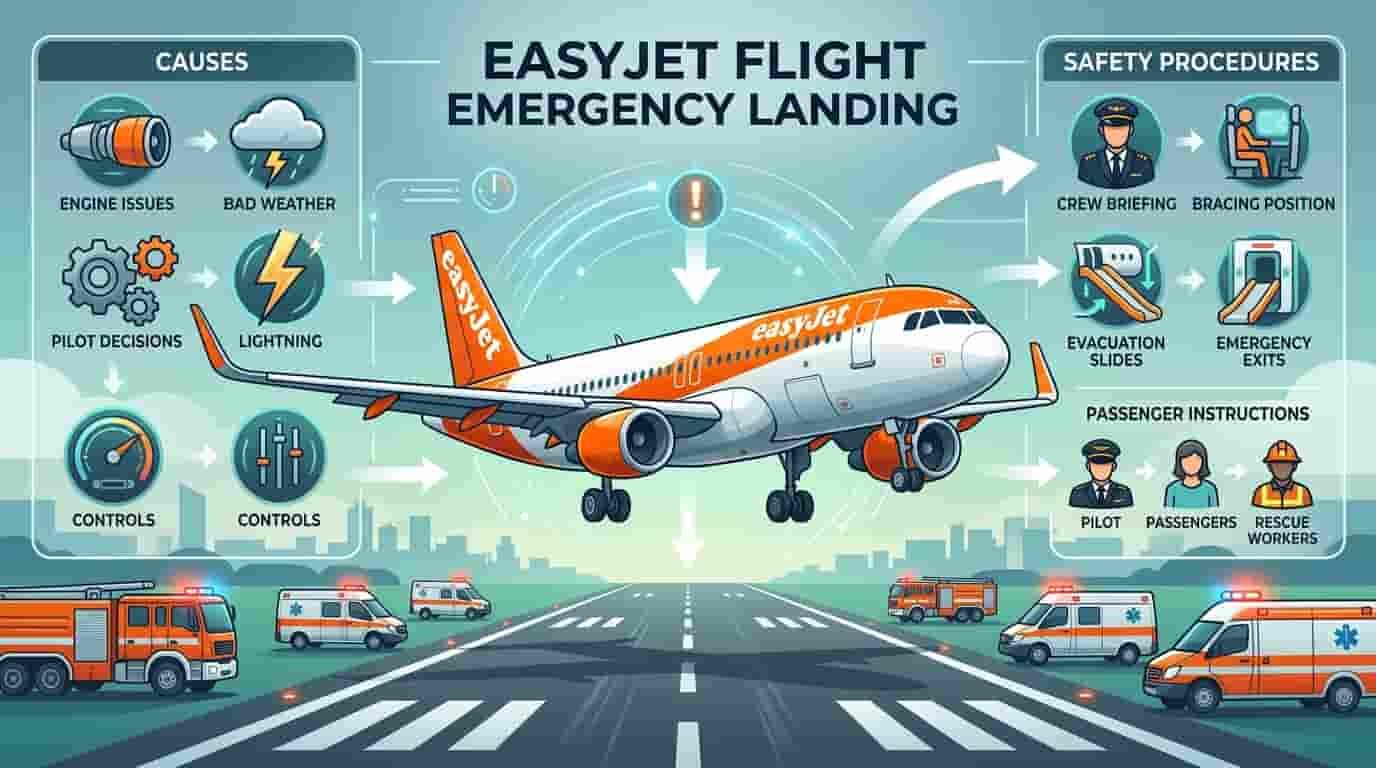
Air travel is one of the safest ways to travel, yet news about an easyjet flight emergency landing can quickly grab public attention. When passengers hear the words “emergency landing,” it often creates concern and raises questions about airline safety, pilot decisions, and passenger protection.
The good news is that emergency landings are usually precautionary measures designed to keep everyone safe. In many cases, pilots choose to land early because of technical alerts, medical emergencies, weather conditions, or other safety-related concerns.
In this guide, you’ll learn what an easyjet flight emergency landing involves, why it happens, what passengers can expect, and how airlines handle these situations. Whether you’re a frequent traveler or flying for the first time, understanding the process can help reduce anxiety and improve your travel experience.
What Is an EasyJet Flight Emergency Landing?
An easyjet flight emergency landing occurs when a pilot decides that the aircraft should land sooner than originally planned due to a situation requiring immediate attention.
Contrary to what many people think, an emergency landing does not always mean the aircraft is in serious danger. Often, it is a preventive action taken to ensure maximum safety.
Common Reasons for Emergency Landings
Some of the most common causes include:
- Medical emergencies involving passengers or crew
- Technical issues detected during flight
- Engine warnings or abnormal readings
- Smoke or unusual odors in the cabin
- Severe weather conditions
- Bird strikes
- Hydraulic or electrical system concerns
Airlines follow strict safety procedures whenever such situations arise.
Why Safety Comes First in Aviation
Modern commercial aviation operates under some of the strictest safety regulations in the world.
Pilots receive extensive training to manage emergencies, while aircraft are designed with multiple backup systems. As a result, many incidents reported as an easyjet flight emergency landing are handled smoothly without injuries or major complications.
Important Safety Facts
- Commercial aircraft undergo regular inspections.
- Pilots train repeatedly using flight simulators.
- Air traffic control provides continuous support.
- Emergency procedures are practiced frequently.
- Aircraft contain redundant safety systems.
These measures help ensure that passengers remain protected throughout the journey.
Step-by-Step: What Happens During an Emergency Landing?
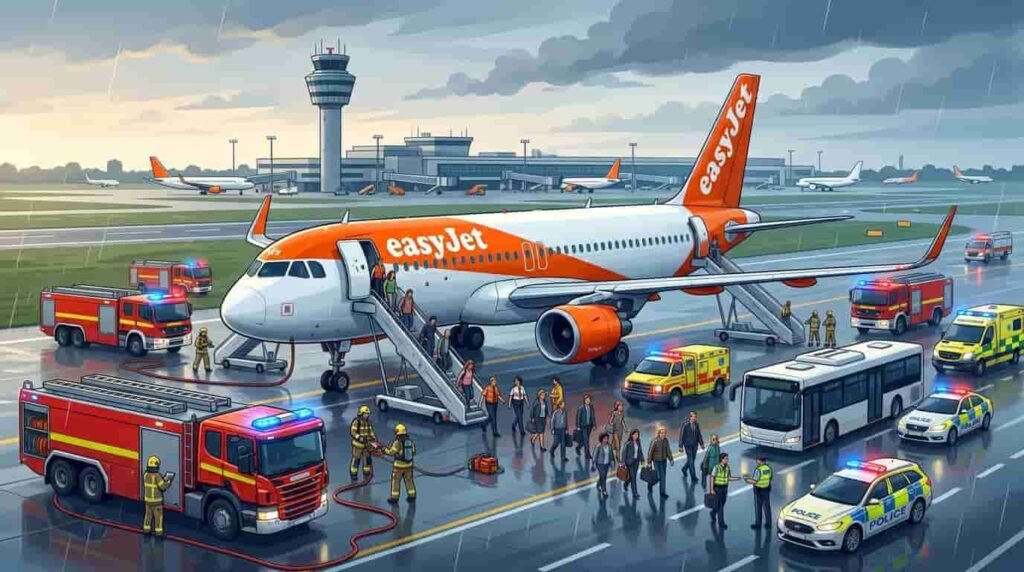
Understanding the process can help travelers remain calm if they ever experience an emergency landing.
Step 1: The Problem Is Identified
The flight crew detects an issue through onboard systems, visual inspections, passenger reports, or medical concerns.
Step 2: Pilots Assess the Situation
Pilots evaluate the severity of the issue and consult operational procedures. They may communicate with airline support teams and air traffic control.
Step 3: Decision to Divert or Land
If safety requires immediate action, the pilots select the nearest suitable airport.
Step 4: Air Traffic Control Coordination
Air traffic controllers prioritize the aircraft and prepare emergency services if necessary.
Step 5: Passenger Communication
The captain usually informs passengers about the situation and provides instructions.
Step 6: Safe Landing
The aircraft lands at the selected airport while emergency services remain available as a precaution.
Step 7: Inspection and Assistance
After landing, technicians inspect the aircraft and passengers receive guidance regarding onward travel.
Real-Life Example of an Emergency Landing Scenario
Imagine a flight traveling from London to Spain. During the journey, the cockpit receives an alert indicating a possible issue with an electrical system.
Although the aircraft continues to operate normally, the pilots follow safety procedures and decide to divert to a nearby airport.
Passengers are informed about the situation, the aircraft lands safely, and engineers inspect the plane before any further travel occurs.
This type of scenario demonstrates why an easyjet flight emergency landing is often a preventive safety measure rather than a catastrophic event.
How EasyJet Handles Emergency Situations
Like other major airlines, EasyJet follows international aviation safety standards.
Crew Training
Cabin crew and pilots undergo regular emergency response training covering:
- Medical incidents
- Fire management
- Evacuation procedures
- Technical malfunctions
- Passenger communication
Aircraft Maintenance
Aircraft are inspected routinely according to strict maintenance schedules.
Emergency Coordination
The airline works closely with:
- Airport authorities
- Air traffic control
- Emergency services
- Engineering teams
This coordinated approach helps ensure efficient responses to unexpected situations.
Passenger Rights After an EasyJet Flight Emergency Landing
Passengers often wonder what happens after an unexpected landing.
Your rights may depend on:
- The cause of the disruption
- Flight destination
- Local regulations
- Length of delay
Possible Assistance Includes
- Food and refreshments
- Hotel accommodation if needed
- Alternative transportation
- Rebooking options
- Travel updates and support
Always keep travel documents and receipts in case compensation or reimbursement becomes available under applicable regulations.
What Passengers Should Do During an Emergency Landing
Staying calm is one of the most important things passengers can do.
Follow These Steps
Listen Carefully
Pay attention to announcements from the flight crew.
Keep Your Seatbelt Fastened
Ensure your seatbelt remains securely fastened when instructed.
Follow Crew Instructions
Cabin crew members are trained specifically for these situations.
Avoid Panic
Most emergency landings end safely and without injury.
Leave Belongings Behind If Required
In rare evacuation situations, personal items should be left behind to speed up exit procedures.
Benefits of Emergency Landing Procedures
While emergency landings may sound alarming, they actually demonstrate the strength of aviation safety systems.
Key Benefits
- Faster response to potential problems
- Enhanced passenger safety
- Reduced risk of complications
- Immediate access to emergency services
- Thorough aircraft inspections
The decision to land early often prevents minor issues from becoming major ones.
Common Mistakes Passengers Make
Travelers can unintentionally make situations more difficult during unexpected events.
1. Ignoring Safety Briefings
Many passengers overlook safety demonstrations, yet these instructions can be valuable.
2. Spreading Rumors
Avoid sharing unverified information with other passengers.
3. Removing Seatbelts Too Early
Remain seated until crew members provide clearance.
4. Panicking
Panic can increase stress for everyone onboard.
5. Not Following Instructions
Always comply with guidance from pilots and cabin crew.
How Rare Are Emergency Landings?
Emergency landings receive significant media attention, but they are relatively uncommon compared to the millions of flights operated each year.
Most commercial flights reach their destinations without incident. Furthermore, many emergency landings occur because pilots choose the safest option when unusual circumstances arise.
This proactive safety culture is one reason air travel remains among the safest forms of transportation worldwide.
Frequently Asked Questions (FAQ)
1. What causes an easyjet flight emergency landing?
Common causes include medical emergencies, technical warnings, weather issues, smoke reports, bird strikes, and precautionary safety concerns.
2. Are emergency landings dangerous?
Not necessarily. Most emergency landings are precautionary and are conducted safely by highly trained flight crews.
3. Do passengers receive compensation after an emergency landing?
Compensation depends on the circumstances, applicable regulations, and the reason for the disruption.
4. What should passengers do during an emergency landing?
Remain calm, listen carefully to crew instructions, keep your seatbelt fastened, and follow all safety procedures.
5. How often do commercial aircraft make emergency landings?
Emergency landings are relatively rare compared to the enormous number of flights operating globally every day.
6. Does an emergency landing mean the aircraft is unsafe?
Not always. Many emergency landings occur because pilots choose to act cautiously when they detect a potential issue.
Conclusion
An easyjet flight emergency landing can sound frightening, but in most cases it reflects the aviation industry’s commitment to safety. Pilots, cabin crew, engineers, and air traffic controllers work together to manage unexpected situations professionally and efficiently.
Understanding the reasons behind an easyjet flight emergency landing, the procedures involved, and the actions passengers should take can help reduce anxiety and improve confidence when flying. The next time you hear about an easyjet flight emergency landing, remember that these decisions are typically made to protect passengers and ensure the safest possible outcome for everyone onboard.
