

Air travel is one of the safest ways to travel, but emergencies can still happen unexpectedly. Recently, many travelers searched for information about the easyjet flight u24429 emergency, wanting to understand what happened, how airlines respond, and what passengers should do during similar events.
When people hear the word “emergency” in connection with a flight, it naturally raises concern. However, not every aviation emergency means a crash or a dangerous disaster. In many cases, pilots and airlines follow strict safety procedures designed to protect passengers long before a situation becomes serious.
In this article, we will break down the easyjet flight u24429 emergency in simple and beginner-friendly language. You will learn how emergency landings work, what causes them, how airline crews respond, and what travelers can do to stay calm and safe. We will also cover practical tips, real-life examples, common mistakes passengers make, and important aviation facts.
Understanding the EasyJet Flight U24429 Emergency
The topic of the easyjet flight u24429 emergency gained attention online after reports suggested the aircraft experienced an issue that required emergency procedures. While airlines investigate these situations carefully, most emergencies are handled professionally by trained pilots and cabin crews.
Modern commercial aircraft are built with multiple backup systems. Because of this, pilots often choose precautionary emergency landings even when the issue is manageable. Safety always comes first in aviation.
What Is an Aviation Emergency?
An aviation emergency happens when a flight crew believes the aircraft, passengers, or crew may face potential risk. Emergencies can range from minor technical issues to medical situations onboard.
Common Reasons for Emergency Landings
Here are some of the most common causes:
- Engine warnings
- Smoke detection alerts
- Medical emergencies
- Hydraulic problems
- Cabin pressure issues
- Bird strikes
- Electrical failures
- Severe weather conditions
Importantly, emergency declarations are often preventive measures rather than signs of immediate danger.
How Airlines Handle an Emergency Situation
The easyjet flight u24429 emergency highlights how airlines follow strict international safety procedures. Every commercial airline trains pilots and cabin crews repeatedly for emergencies.
Step-by-Step Emergency Response Process
1. Detecting the Problem
The first step is identifying the issue. Aircraft systems constantly monitor engine performance, pressure levels, fuel systems, and more.
For example:
- Sensors may detect overheating
- Pilots may receive cockpit warning messages
- Cabin crew may report smoke or unusual smells
2. Pilot Assessment
After identifying the issue, pilots quickly assess:
- Severity of the problem
- Weather conditions
- Fuel levels
- Nearby airports
- Passenger safety risks
Pilots communicate directly with air traffic control during this stage.
3. Declaring an Emergency
If necessary, pilots declare an emergency using special aviation communication codes. This gives the aircraft priority handling for landing.
Emergency declarations help:
- Clear airport traffic
- Prepare emergency crews
- Speed up landing procedures
4. Preparing Passengers
Cabin crew members provide instructions to passengers. These instructions may include:
- Remaining seated
- Fastening seatbelts
- Reviewing brace positions
- Avoiding panic
This stage is critical because calm passengers improve safety outcomes.
5. Safe Landing
In most situations, aircraft land safely without injuries. Emergency vehicles often wait near the runway as a precaution.
Why the EasyJet Flight U24429 Emergency Drew Attention
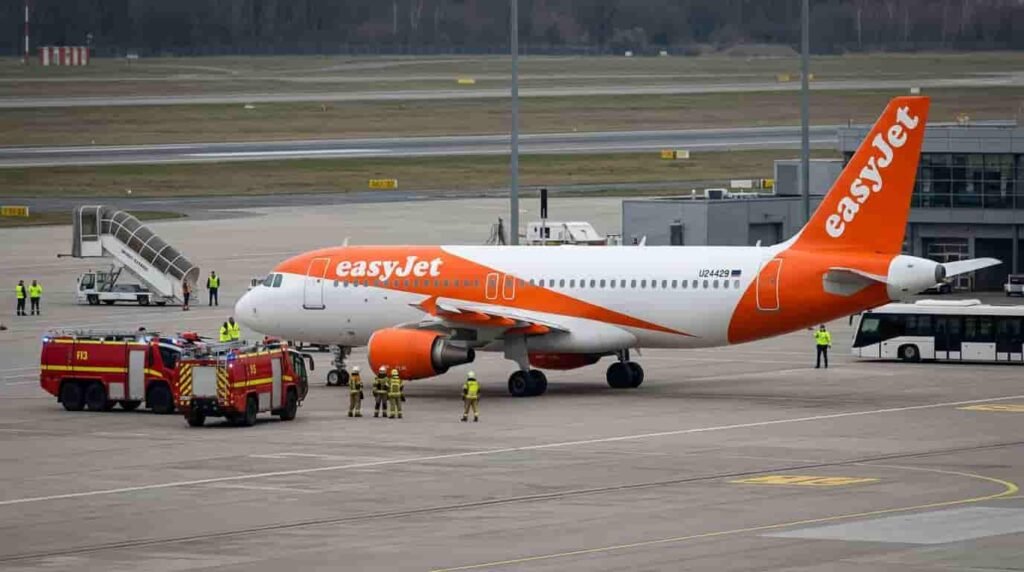
The easyjet flight u24429 emergency became widely discussed online because flight emergencies naturally attract public attention. Social media also spreads aviation news quickly, sometimes before official information is released.
However, aviation experts often remind travelers that emergency landings are relatively common and usually handled safely.
Important Aviation Safety Facts
Here are some reassuring facts:
- Commercial aviation is extremely safe
- Pilots train for emergencies regularly
- Aircraft systems have multiple backups
- Emergency landings often prevent larger issues
- Most flights experiencing emergencies land safely
In reality, precautionary landings show that safety systems are working exactly as intended.
Real-Life Example of a Flight Emergency
To better understand the easyjet flight u24429 emergency, it helps to look at a general real-world example.
Imagine a plane traveling between two European cities. During the flight, pilots receive a cockpit warning about possible hydraulic pressure loss. Even though the aircraft can still fly safely, the crew decides to divert to the nearest airport.
Here is what usually happens:
- Pilots notify air traffic control
- Emergency services are prepared on the ground
- Cabin crew calm passengers
- The aircraft lands safely
- Engineers inspect the plane
In many cases, passengers continue their journey on another aircraft after several hours.
READ MORE GUIDE: EasyJet Flight U2238 Emergency Landing Newcastle
What Passengers Should Do During an Emergency
Many travelers become nervous when hearing about incidents like the easyjet flight u24429 emergency. Knowing how to respond can improve safety and reduce panic.
Passenger Safety Tips
Stay Calm
Panic spreads quickly in confined spaces. Staying calm helps both passengers and crew.
Listen Carefully to Cabin Crew
Cabin crews receive extensive safety training. Always follow their instructions immediately.
Keep Your Seatbelt Fastened
Even during calm flights, keeping your seatbelt fastened reduces injury risks during turbulence or sudden maneuvers.
Avoid Using Phones During Instructions
Passengers often make the mistake of recording videos instead of paying attention to safety directions.
Leave Bags Behind During Evacuations
In emergency evacuations, personal luggage slows exits and increases danger.
Common Mistakes Travelers Make
During incidents similar to the easyjet flight u24429 emergency, passengers sometimes make unsafe decisions.
Mistake #1: Ignoring Safety Briefings
Many travelers skip safety demonstrations because they fly often. However, every aircraft model can have different emergency exits and procedures.
Mistake #2: Panicking Too Early
Emergency declarations do not always mean severe danger. Pilots may declare an emergency simply to receive priority landing assistance.
Mistake #3: Spreading False Information Online
Social media rumors can create unnecessary fear. It is always best to wait for official airline updates.
Mistake #4: Standing Before the Aircraft Stops
Passengers sometimes attempt to stand immediately after landing. During emergencies, remaining seated is extremely important.
Benefits of Modern Aviation Safety Systems
The response to the easyjet flight u24429 emergency also demonstrates how advanced aviation technology improves passenger protection.
Advanced Aircraft Monitoring
Modern aircraft constantly monitor:
- Engines
- Fuel systems
- Cabin pressure
- Electrical systems
- Navigation systems
These technologies allow pilots to detect issues early.
Extensive Pilot Training
Commercial pilots train in simulators for:
- Engine failures
- Emergency descents
- Fire warnings
- Severe weather
- Medical emergencies
Training prepares crews for high-pressure situations.
Strict International Safety Regulations
Airlines must follow global aviation standards established by international authorities. Aircraft undergo regular maintenance inspections and safety checks.
How Airlines Communicate During Emergencies
Communication plays a major role during events like the easyjet flight u24429 emergency.
Communication With Air Traffic Control
Pilots maintain constant communication with:
- Air traffic controllers
- Airline operations centers
- Emergency response teams
This coordination helps ensure safe landings.
Communication With Passengers
Cabin announcements usually include:
- Safety instructions
- Landing updates
- Reassurance messages
- Evacuation procedures, if needed
Good communication reduces passenger anxiety significantly.
How Emergency Landings Are Planned
Emergency landings are carefully organized rather than chaotic.
Factors Pilots Consider
Pilots evaluate:
- Distance to airports
- Runway length
- Weather conditions
- Airport emergency support
- Aircraft weight and fuel
The goal is always the safest possible outcome.
What Happens After an Emergency Landing?
After incidents like the easyjet flight u24429 emergency, airlines begin several follow-up procedures.
Aircraft Inspection
Engineers inspect the aircraft thoroughly to identify the exact issue.
Passenger Support
Airlines may provide:
- Alternative flights
- Hotel accommodations
- Meal vouchers
- Customer support assistance
Official Investigation
Depending on the severity, aviation authorities may conduct investigations to improve future safety.
Final Conclusion
The easyjet flight u24429 emergency reminds travelers that aviation safety procedures exist to protect passengers at every stage of a flight. While hearing the word “emergency” can sound alarming, most airline emergencies are managed professionally and safely by highly trained crews.
Modern aircraft technology, strict regulations, pilot training, and emergency planning all work together to reduce risks in air travel. Passengers also play an important role by remaining calm, listening to instructions, and following safety rules carefully.
Understanding how aviation emergencies work can help travelers feel more informed and confident when flying. In many cases, emergency landings are not signs of disaster but examples of safety systems functioning exactly as designed.
