

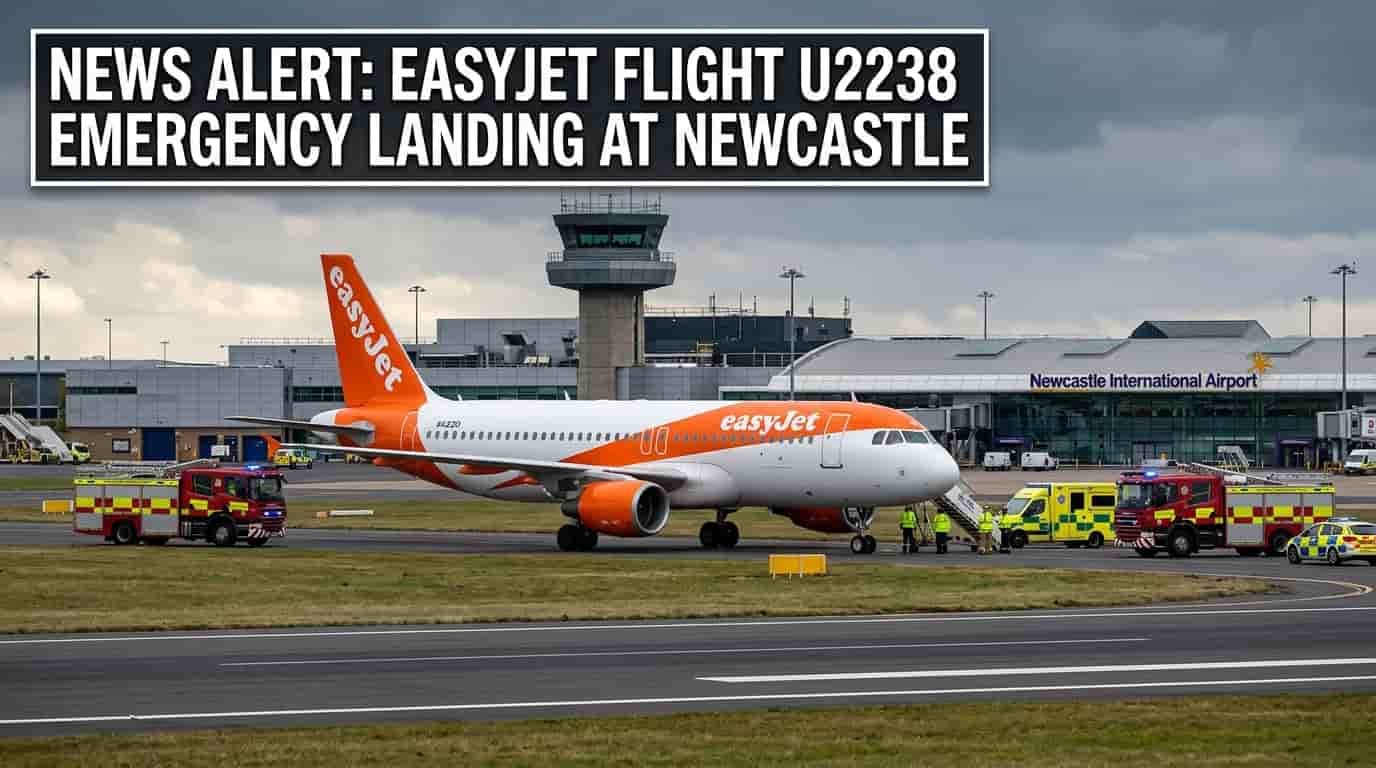
The easyjet flight u2238 emergency landing newcastle incident quickly became a major topic of discussion among travelers and aviation followers. Whenever a flight makes an unexpected landing, passengers naturally become worried and curious about what caused the situation.
Fortunately, emergency landings are usually precautionary measures designed to protect everyone onboard. In most cases, airline crews are highly trained to respond calmly and safely. That is exactly why modern air travel remains one of the safest forms of transportation in the world.
In this article, we will explain the easyjet flight u2238 emergency landing newcastle event in simple, beginner-friendly language. You will learn:
- What emergency landings actually mean
- Possible reasons behind the incident
- How pilots and cabin crews handle emergencies
- What passengers experienced
- Important airline safety facts
- Helpful travel tips for nervous flyers
Whether you travel often or rarely fly, understanding these situations can help you feel more confident and informed.
What Is an Emergency Landing?
An emergency landing happens when a pilot decides to land an aircraft earlier than planned because of a possible safety concern.
Importantly, an emergency landing does not always mean a crash or serious danger. In many situations, the crew simply wants to avoid risk before a small issue becomes a bigger problem.
Common Reasons for Emergency Landings
Here are some of the most common causes:
Technical Problems
Aircraft systems are monitored constantly. Even a minor warning light may lead pilots to land as a precaution.
Medical Emergencies
Sometimes a passenger or crew member needs urgent medical treatment.
Weather Conditions
Heavy storms, strong winds, or poor visibility can force pilots to change plans quickly.
Smoke or Burning Smells
Unusual odors in the cabin or cockpit are taken seriously immediately.
Bird Strikes
Birds can occasionally damage engines during takeoff or landing.
In the case of the easyjet flight u2238 emergency landing newcastle, reports suggested the crew followed standard safety procedures to protect passengers and crew members.
Understanding the EasyJet Flight U2238 Emergency Landing Newcastle Incident
The easyjet flight u2238 emergency landing newcastle event attracted attention because emergency landings naturally sound alarming. However, aviation experts often explain that these actions show the safety system is working correctly.
When pilots notice anything unusual, they are trained to:
- Assess the situation
- Communicate with air traffic control
- Follow emergency checklists
- Prepare the aircraft for landing
- Keep passengers informed
Because of these procedures, most emergency landings end safely with no injuries.
Why Airlines Prioritize Safety
Commercial airlines operate under strict aviation regulations. Pilots receive years of training for unusual situations, including:
- Engine failures
- Cabin pressure problems
- Electrical issues
- Emergency evacuations
- Severe weather operations
This training helps crews remain calm under pressure.
As a result, incidents like the easyjet flight u2238 emergency landing newcastle situation are handled professionally and carefully.
Step-by-Step: How Pilots Handle Emergency Landings
Many travelers wonder what actually happens behind the scenes during an emergency. Here is a simple breakdown.
Step 1: Detecting the Problem
Modern aircraft contain advanced monitoring systems. If something unusual appears, pilots receive warnings immediately.
For example:
- Engine alerts
- Hydraulic pressure warnings
- Electrical faults
- Smoke detectors
Pilots then evaluate how serious the issue might be.
Step 2: Contacting Air Traffic Control
The cockpit crew informs air traffic control about the situation.
Controllers then:
- Clear airspace
- Provide priority landing access
- Alert emergency services
This coordination ensures the safest possible landing.
Step 3: Preparing the Cabin
Cabin crew members play a major role during emergencies.
They may:
- Secure loose items
- Demonstrate brace positions
- Calm anxious passengers
- Prepare emergency exits
Professional cabin crews are trained extensively for these moments.
Step 4: Landing the Aircraft Safely
Pilots follow emergency landing procedures carefully.
Emergency vehicles are often placed near the runway as a precaution, even if the risk level is low.
In many cases, passengers safely leave the aircraft normally after landing.
Passenger Reactions During the Incident
During the easyjet flight u2238 emergency landing newcastle event, passengers likely experienced understandable anxiety and confusion. This is very common during unexpected situations.
However, real-life aviation incidents often show that calm communication from the crew helps reduce panic significantly.
What Passengers Usually Notice
Passengers may observe:
- Sudden announcements
- Changes in flight direction
- Faster descent
- Emergency vehicles outside
Even though these signs can feel stressful, they are usually part of standard procedures.
Real-Life Example: Why Precautionary Landings Matter
Aviation history contains many examples where precautionary landings prevented larger problems.
For example:
- Small engine warnings have led to safe emergency landings before any actual failure occurred.
- Smoke smells have been traced to minor electrical issues.
- Medical emergencies have saved passenger lives thanks to quick landings.
This is why airlines never ignore unusual signs.
The easyjet flight u2238 emergency landing newcastle situation highlights how aviation safety systems are designed to act early rather than take unnecessary risks.
Important Facts About Airline Safety
Many people become nervous after hearing about emergency landings. However, experts continue to confirm that commercial aviation is extremely safe.
Modern Aircraft Are Built with Backup Systems
Airplanes include multiple backup systems for:
- Navigation
- Engines
- Hydraulics
- Electricity
- Communications
This redundancy helps aircraft remain operational even if one system experiences problems.
Pilots Train Constantly
Pilots regularly practice emergency situations in flight simulators.
Training includes:
- Engine shutdowns
- Emergency descents
- Severe weather
- Fire response
- Equipment failures
These simulations prepare crews for real-world situations.
Emergency Landings Often End Safely
Most emergency landings are precautionary, not catastrophic.
In fact, many passengers later describe being surprised at how calm and organized the process felt.
Tips for Passengers During an Emergency Landing
If you ever experience a similar event, these tips can help you stay calm and safe.
Listen Carefully to the Crew
Cabin crews are trained professionals. Always follow instructions immediately.
Stay Calm
Panic can make situations harder for everyone onboard.
Try to:
- Breathe slowly
- Stay seated
- Avoid spreading rumors
- Focus on instructions
Leave Belongings Behind If Needed
During evacuations, safety matters more than luggage.
Carrying bags can slow evacuation times significantly.
Wear Your Seatbelt Properly
Keep your seatbelt fastened whenever seated, even during calm flights.
Unexpected turbulence can happen anytime.
Common Mistakes Passengers Make
Understanding common mistakes can improve travel safety.
Ignoring Safety Demonstrations
Many travelers stop paying attention to safety briefings. However, these instructions can become extremely important during emergencies.
Panicking Too Quickly
Fear spreads rapidly in crowded environments. Staying calm helps both passengers and crew.
Recording Instead of Listening
Some passengers immediately start filming incidents. While understandable, paying attention to crew instructions should always come first.
How Airlines Communicate After Incidents
After emergency landings, airlines usually:
- Inspect the aircraft
- Support passengers
- Issue public statements
- Investigate technical concerns
Transparency helps maintain public trust and improve future safety.
The easyjet flight u2238 emergency landing newcastle incident also demonstrates how airlines prioritize passenger protection above schedule convenience.
Benefits of Modern Aviation Safety Systems
Despite occasional emergency situations, aviation technology continues improving every year.
Faster Problem Detection
Aircraft computers can identify issues within seconds.
Better Communication Systems
Pilots now communicate more effectively with:
- Air traffic control
- Airline operations centers
- Emergency responders
Improved Passenger Protection
Modern cabins are designed with:
- Fire-resistant materials
- Better evacuation systems
- Advanced oxygen systems
- Enhanced emergency lighting
Final Conclusion
The easyjet flight u2238 emergency landing newcastle incident reminds travelers that airline safety systems are designed to respond quickly whenever potential concerns arise. While emergency landings may sound frightening, they are often precautionary actions taken to protect everyone onboard.
Modern aviation relies on advanced technology, highly trained pilots, experienced cabin crews, and strict international safety regulations. Because of these systems, most emergency landings end safely and professionally.
For passengers, the most important things are staying calm, listening carefully to the crew, and understanding that safety always comes first in aviation.
Ultimately, incidents like the easyjet flight u2238 emergency landing newcastle event demonstrate that the aviation industry takes even small risks seriously — and that commitment helps keep millions of travelers safe every day.
