

Introduction
Air travel is one of the safest ways to travel, but unexpected situations can still happen in the sky. Recently, the topic of the united express flight ua5971 emergency diversion gained attention online, leaving many travelers curious about what emergency diversions really mean and how airlines handle them.
For many passengers, hearing the words “emergency diversion” can sound alarming. However, in most cases, diversions are precautionary measures designed to protect passengers, crew members, and the aircraft itself. Airlines follow strict safety protocols whenever a problem occurs during a flight.
In this article, we will explain the united express flight ua5971 emergency diversion in simple and beginner-friendly language. You’ll learn why flights are diverted, what happens during an emergency situation, how airlines respond, and what travelers can expect if they ever experience something similar.
Whether you travel often or only fly occasionally, understanding emergency diversions can help you feel more informed and less anxious during air travel.
What Is an Emergency Diversion?
An emergency diversion happens when an aircraft changes its planned route and lands at a different airport than originally scheduled. This decision is usually made by the pilots in coordination with air traffic control and airline operations teams.
Emergency diversions can happen for many reasons, including:
- Medical emergencies
- Mechanical concerns
- Severe weather conditions
- Smoke or unusual odors in the cabin
- Security concerns
- Fuel-related issues
- Airport congestion or runway closures
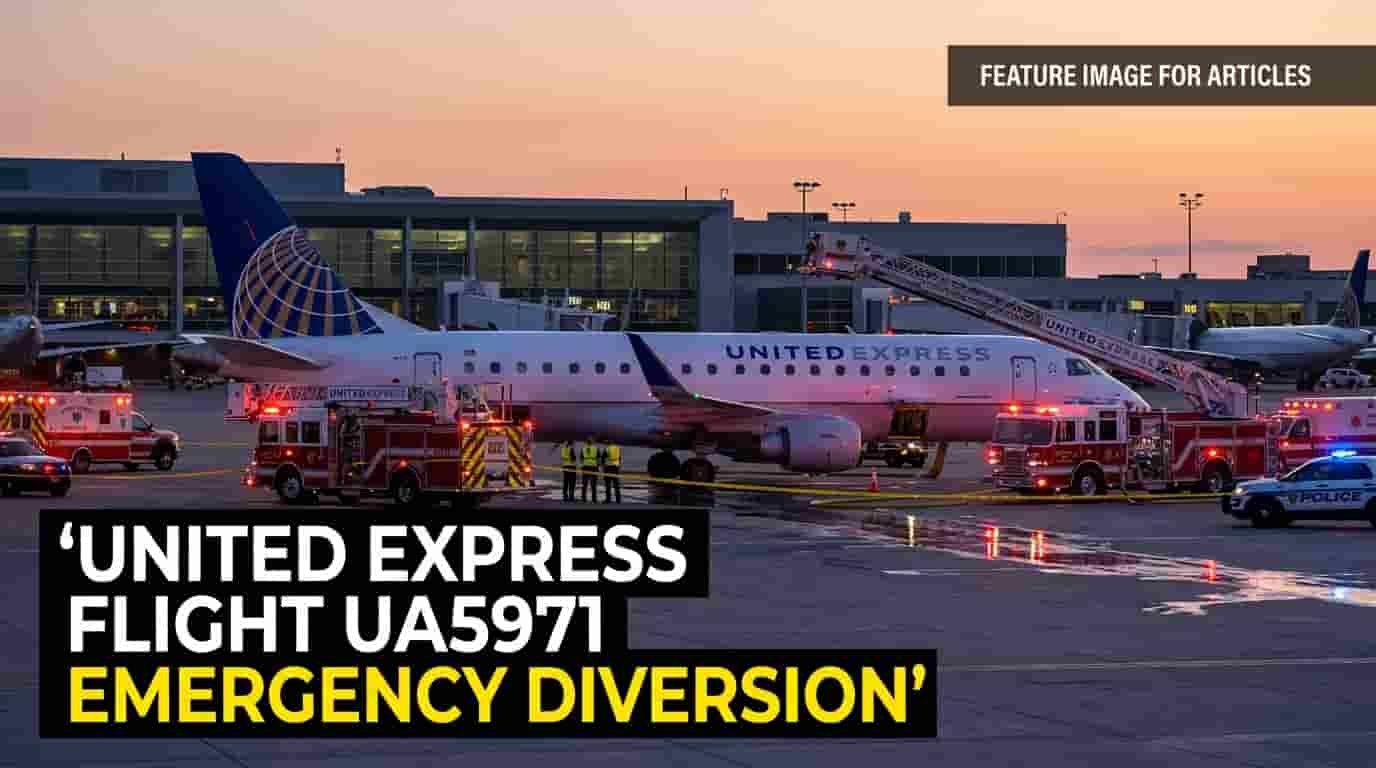
In the case of the united express flight ua5971 emergency diversion, reports and discussions focused on how quickly airlines respond to possible safety concerns.
The important thing to remember is this: diversions are usually preventive actions. Pilots are trained to prioritize safety above everything else.
Understanding the United Express Flight UA5971 Emergency Diversion
Why Flights Like UA5971 May Be Diverted
Commercial aircraft contain thousands of mechanical systems that are constantly monitored during flight. Even a minor warning signal can lead pilots to divert the aircraft as a safety precaution.
Possible reasons behind the united express flight ua5971 emergency diversion may include:
1. Technical or Mechanical Alerts
Modern airplanes use advanced warning systems that detect even small irregularities. Sometimes, pilots choose to land early so maintenance crews can inspect the aircraft.
Examples include:
- Engine performance warnings
- Hydraulic system issues
- Cabin pressure concerns
- Electrical malfunctions
2. Medical Emergencies
If a passenger or crew member experiences a serious health issue, pilots may divert to the nearest suitable airport.
For example:
- Heart attacks
- Breathing difficulties
- Severe allergic reactions
Quick access to emergency medical care can save lives.
3. Weather Conditions
Storms, strong turbulence, lightning, or poor visibility can force aircraft to change course unexpectedly.
Pilots continuously receive weather updates throughout the flight.
Step-by-Step: What Happens During an Emergency Diversion?
Understanding the process can help reduce fear and confusion for passengers.
Step 1: The Crew Detects a Problem
The issue may be discovered through:
- Aircraft monitoring systems
- Passenger reports
- Pilot observations
- Air traffic control communication
At this stage, the flight crew evaluates the seriousness of the situation.
Step 2: Pilots Contact Air Traffic Control
Pilots communicate with air traffic controllers and request priority handling if needed.
Depending on the emergency level, controllers may:
- Clear nearby airspace
- Provide direct routing
- Arrange emergency services at the airport
Step 3: The Aircraft Changes Route
The pilots select the safest and closest suitable airport.
Factors considered include:
- Runway length
- Weather conditions
- Maintenance facilities
- Medical availability
- Fuel levels
This step likely played a key role during the united express flight ua5971 emergency diversion.
Step 4: Cabin Crew Prepares Passengers
Flight attendants provide instructions and keep passengers calm.
They may ask passengers to:
- Fasten seat belts
- Remain seated
- Put away electronic devices
- Review safety procedures
Step 5: Safe Landing and Inspection
After landing:
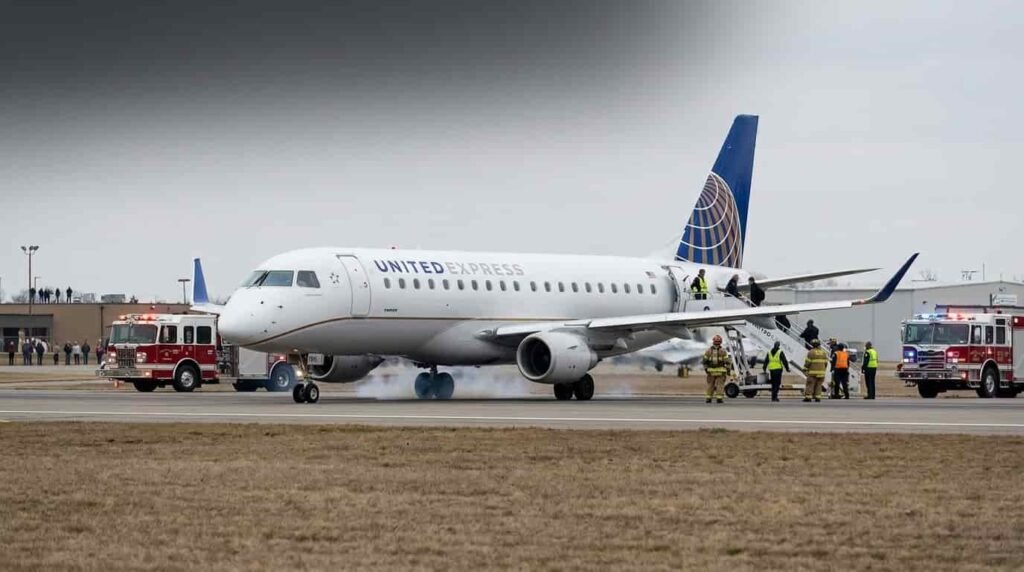
- Emergency vehicles may inspect the aircraft
- Medical personnel may assist passengers
- Maintenance teams examine the plane
Passengers are often rebooked onto another flight afterward.
Why Emergency Diversions Are Actually a Good Sign
Many travelers think diversions automatically mean danger. In reality, they often show that airline safety systems are working correctly.
Airlines Prioritize Safety
Commercial airlines follow strict regulations from aviation authorities. Pilots are trained extensively for emergency decision-making.
A diversion means:
- The crew is taking precautions
- Potential risks are being handled early
- Passenger safety comes first
Modern Aircraft Are Highly Advanced
Aircraft today are equipped with:
- Real-time monitoring systems
- Backup safety systems
- Advanced navigation tools
- Continuous communication technology
These systems help crews make informed decisions quickly.
Real-Life Example of Flight Diversions
The united express flight ua5971 emergency diversion is not unique. Diversions happen around the world every day.
For instance:
Example 1: Medical Emergency
A passenger develops chest pain mid-flight. The aircraft diverts to the nearest city so emergency responders can provide immediate treatment.
Example 2: Mechanical Warning
A cockpit indicator signals a possible hydraulic issue. Even though the aircraft can continue flying safely, pilots land early for inspection.
Example 3: Weather Diversion
Heavy storms near the destination airport make landing unsafe. Pilots reroute to another airport temporarily.
These examples show that diversions are often precautionary rather than catastrophic.
Common Passenger Reactions During Diversions
Passengers may experience:
- Anxiety
- Confusion
- Frustration about delays
- Fear due to emergency announcements
However, staying calm is extremely important.
What You Should Do During a Diversion
Stay Seated
Follow all crew instructions carefully.
Avoid Panic
Cabin crews are trained professionals handling the situation.
Listen for Updates
Pilots usually explain the reason for the diversion when possible.
Keep Essentials Accessible
Have medications, IDs, and phones nearby after landing.
Important Facts About Airline Safety
Here are several facts many travelers don’t realize:
Diversions Are Rare Compared to Total Flights
Thousands of flights operate safely every day worldwide.
Pilots Train for Emergencies Repeatedly
Airline pilots spend countless hours in flight simulators practicing:
- Engine failures
- Emergency landings
- Severe weather responses
- Cabin emergencies
Aircraft Undergo Constant Maintenance
Commercial planes are inspected regularly before and after flights.
This level of preparation helps explain why situations like the united express flight ua5971 emergency diversion are usually resolved safely.
Common Mistakes Passengers Make During Emergencies
Avoiding these mistakes can improve safety for everyone onboard.
Ignoring Crew Instructions
Some passengers continue using phones or standing unnecessarily.
Always follow directions immediately.
Spreading Panic
Posting rumors online before confirmed information is available can create unnecessary fear.
Opening Overhead Bins Too Early
Loose luggage may fall during unusual movements or emergency landings.
Refusing to Stay Calm
Remaining calm helps cabin crews work more effectively.
Tips for Travelers to Stay Prepared
Even though emergency diversions are uncommon, preparation can help you feel more confident.
Pack Essential Items in Carry-On Bags
Include:
- Medications
- Chargers
- Identification
- Snacks
- Water bottle
Pay Attention to Safety Briefings
Many passengers ignore them, but safety instructions matter.
Choose Comfortable Clothing
Comfort helps during unexpected delays.
Purchase Travel Insurance
Insurance may help cover:
- Hotel stays
- Missed connections
- Rebooking costs
How Airlines Handle Passenger Support After Diversions
After an emergency diversion, airlines typically provide assistance such as:
- Flight rebooking
- Meal vouchers
- Hotel accommodations
- Customer support updates
The response depends on:
- Weather conditions
- Cause of diversion
- Airport resources
- Airline policies
In many situations, passengers are safely transported to their final destination within hours.
The Aviation Industry’s Strong Safety Culture
The aviation industry constantly studies incidents and diversions to improve safety systems further.
Every diversion provides valuable information for:
- Pilot training
- Aircraft engineering
- Airline operations
- Passenger safety procedures
Because of this continuous learning process, commercial flying remains extremely safe globally.
The attention surrounding the united express flight ua5971 emergency diversion also highlights how seriously airlines take precautionary measures.
FAQ About United Express Flight UA5971 Emergency Diversion
What does emergency diversion mean in aviation?
An emergency diversion occurs when a flight lands at a different airport than planned due to safety, medical, weather, or technical concerns.
Was the united express flight ua5971 emergency diversion dangerous?
Most diversions are precautionary. Airlines prioritize safety and often divert flights before problems become serious.
Do pilots train for emergency diversions?
Yes. Pilots regularly train in simulators for emergency scenarios, including diversions and emergency landings.
What should passengers do during a diversion?
Passengers should remain calm, follow crew instructions, keep seat belts fastened, and wait for official updates.
Are emergency diversions common?
They are relatively uncommon compared to the huge number of flights operating daily worldwide.
Do airlines compensate passengers after diversions?
Depending on the situation and airline policy, passengers may receive rebooking assistance, meal vouchers, or hotel accommodations.
Final Conclusion
The united express flight ua5971 emergency diversion reminds travelers that aviation safety always comes first. While the phrase “emergency diversion” may sound frightening, these actions are usually precautionary decisions made by highly trained professionals.
Modern aircraft technology, experienced pilots, strict airline procedures, and coordinated emergency responses all work together to protect passengers during unexpected situations.
For travelers, understanding how diversions work can reduce anxiety and improve confidence when flying. Most importantly, diversions demonstrate that the aviation industry is designed to act quickly and carefully whenever safety concerns arise.
The next time you hear about an emergency diversion, remember that it often reflects a successful safety system doing exactly what it was designed to do.
